Vancouver, WA Weather
& Climate Guide
Vancouver, Washington has a mild, four-season climate with warm, dry summers and cool, wet winters. Summer highs average in the upper 70s°F, with July and August being the driest months of the year. Winters are cool but rarely harsh—temperatures stay mostly in the 40s, snow in the city is uncommon (less than one inch per year on average), and extended cold snaps are rare. Spring and fall bring the most rain, though showers here tend to be light rather than heavy. Year-round, the weather is mild enough to support outdoor activities in every season.
Spring:
Spring in Vancouver WA runs the full range—March is one of the rainiest months of the year, while May is noticeably drier and often sunny. Temperatures climb from the mid-50s in March to the mid-60s by May, with cool nights throughout the season (lows in the mid-30s to mid-40s). Layers are essential, and a raincoat is a good idea through April. By late May, you're often rewarded with mild days and the full bloom of the region's parks and gardens.
See what's happening during your visit: Spring events in Vancouver, WA.
Summer:
Summer brings Vancouver's driest, warmest weather of the year. July and August are the driest months overall—July averages just 0.48 inches of rain total, with fewer than 4 rainy days for the month. Highs reach the upper 70s, evenings cool into the low 50s, and sunscreen is a more useful packing item than an umbrella. June is a mild transition month with occasional rain early on, but it typically settles into warm, pleasant conditions by the second half. September holds onto summer longer than most people expect.
Make the most of the season: Summer events in Vancouver, WA.
Fall:
Fall in Vancouver divides cleanly into two halves. September carries summer warmth well into the season—highs average 74°F with only about 8 rainy days for the month, making it one of the best-kept secrets for visiting. October marks the turn: temperatures drop into the low 60s and rain returns in earnest (13.6 days, 3.61 inches). By November, you're firmly in Pacific Northwest fall—highs in the low 50s, nearly 20 rainy days, and stunning fall color throughout the parks and waterfront. Pack accordingly: layers and a raincoat from October on, but September needs little more than a light jacket.
Find something to do this fall: Fall events in Vancouver, WA.
Winter:
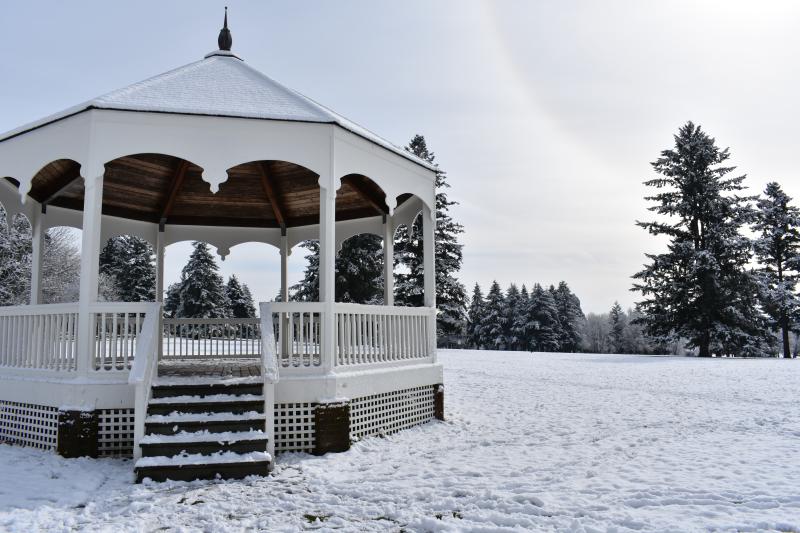
Snow in Vancouver is genuinely rare. According to NOAA climate normals, the city averages less than one inch of snowfall per year and fewer than one snow day annually—most of that concentrated in January and December. When snow does fall at lower elevations, it typically doesn't accumulate or linger. Higher elevations outside the city see substantially more; if seeing snow is on your itinerary, a day trip toward Mount St. Helens or the Cascade foothills is a reliable option in winter months.
Explore what's on this winter: Winter events in Vancouver, WA.
Average Temps
| Month | High (°F) | Low (°F) |
|---|---|---|
| January | 45 | 32 |
| February | 49 | 32 |
| March | 54 | 35 |
| April | 59 | 38 |
| May | 66 | 44 |
| June | 71 | 49 |
| July | 78 | 53 |
| August | 79 | 52 |
| September | 74 | 47 |
| October | 62 | 41 |
| November | 51 | 36 |
| December | 45 | 32 |
Rain Stat
Vancouver, WA receives an average of 42 inches of rain per year—about four inches above the U.S. average—but that number tells only part of the story. Rainfall here tends to come as light, steady drizzle rather than heavy downpours, spread across roughly 163 days of measurable precipitation per year (per NOAA 1991–2020 climate normals). The driest stretch of the year runs from July through September, when rain is genuinely uncommon: July averages fewer than 4 rainy days for the month, and total July rainfall averages less than half an inch.
For context, Vancouver gets less annual rainfall than cities like Juneau, AK (71"), New Orleans, LA (64"), Miami, FL (62"), and Lihue, HI (45"). The Pacific Northwest's reputation for rain is more about frequency than volume—you're more likely to encounter a light mist than get caught in a downpour.
Best Time to Visit Vancouver, WA
For the best weather, plan your visit between July and September. These are the driest, warmest months of the year—July and August bring highs in the upper 70s with minimal rain, while September extends the warmth average high 74°F) with only about 8 rainy days for the month. September in particular is an underrated time to visit: summer conditions without peak summer crowds.
If outdoor events and festivals are a priority, summer is the sweet spot—the bulk of Vancouver's annual events calendar runs June through September. Spring (particularly May) offers mild temperatures and lush scenery if you don't mind occasional rain. Winter visits are best suited to travelers who want a quieter experience; the weather is cool and wet but rarely severe, and holiday events run through December.
Vancouver, WA Weather: Frequently Asked Questions
What is the weather like in Vancouver, Washington?
Vancouver, Washington has a mild, four-season climate with warm, dry summers and cool, wet winters. Summer highs average in the upper 70s°F, with July and August being the driest months of the year. Winters are cool but rarely harsh—temperatures stay mostly in the 40s, snow is uncommon, and extended cold snaps are rare. Spring and fall bring the most rain, though showers tend to be light rather than heavy.
Does it rain a lot in Vancouver, Washington?
Vancouver, WA receives an average of 42 inches of rain per year and approximately 163 days of measurable precipitation annually, according to NOAA 1991–2020 climate normals. However, rain here typically falls as light drizzle rather than heavy downpours. The summer months are genuinely dry—July averages less than half an inch of total rainfall for the entire month.
How many days a year does it rain in Vancouver, Washington?
Vancouver, WA averages approximately 163 days per year with measurable precipitation (≥0.01"), based on NOAA 1991–2020 climate normals. Rain is concentrated in the fall and winter months, with November, December, and January each averaging 19–20 rainy days. By contrast, July averages fewer than 4 rainy days for the entire month.
Does it snow in Vancouver, Washington?
Snow in Vancouver is rare. NOAA climate normals show the city averages less than one inch of snowfall per year and fewer than one snow day annually—most of that concentrated in January and December. When snow does fall at lower elevations, it typically doesn't accumulate or linger. Travelers hoping to see snow are better served by a day trip toward Mount St. Helens or the Cascade foothills.
What is the best time to visit Vancouver, Washington for good weather?
July through September offers the best weather for visiting Vancouver, WA. July and August are the driest and warmest months, with highs in the upper 70s and minimal rain. September is an especially good option—temperatures average 74°F with only about 8 rainy days for the month, making it one of the most pleasant times to visit with fewer crowds than peak summer.